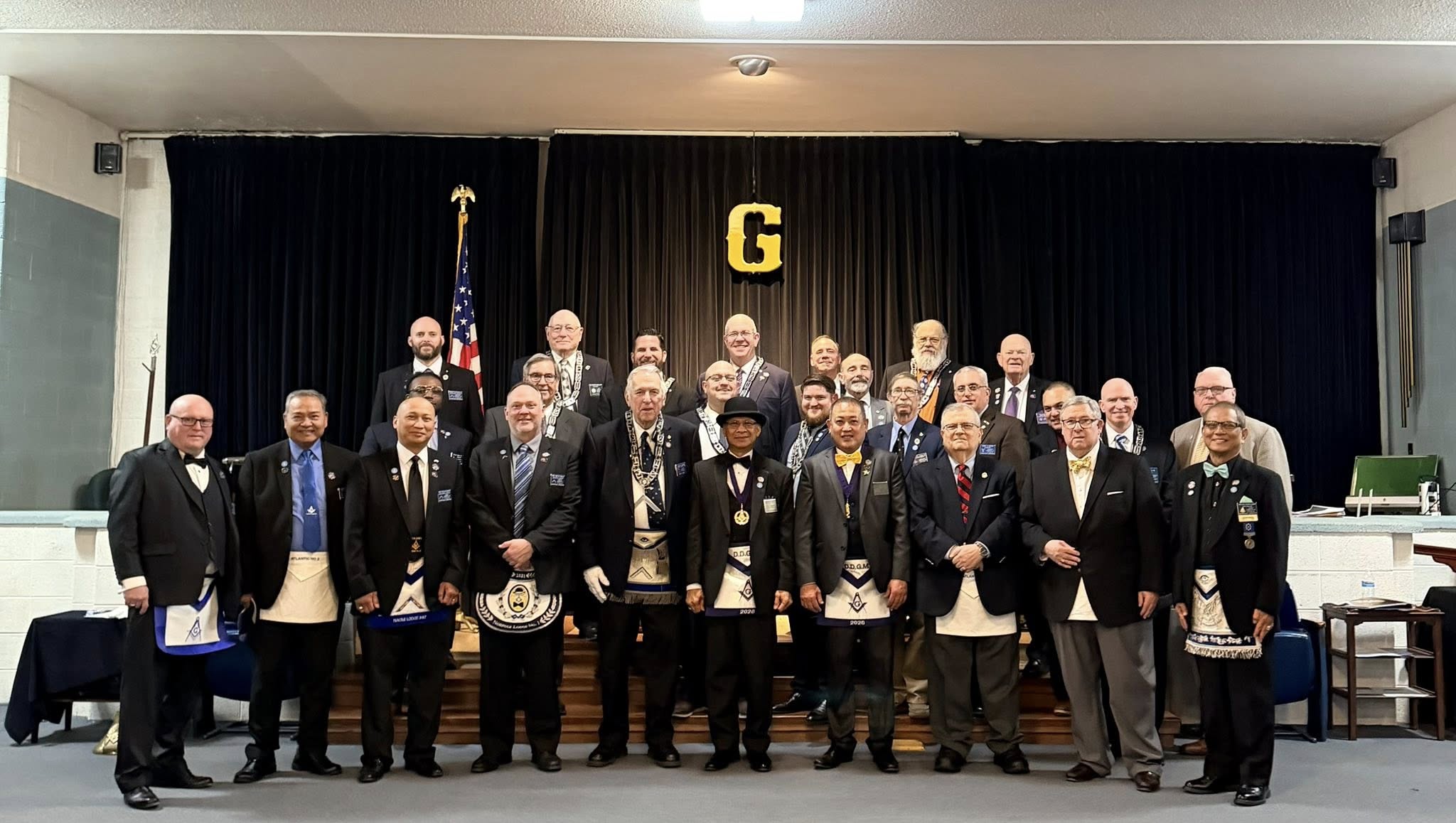
Freemasonry — Brief
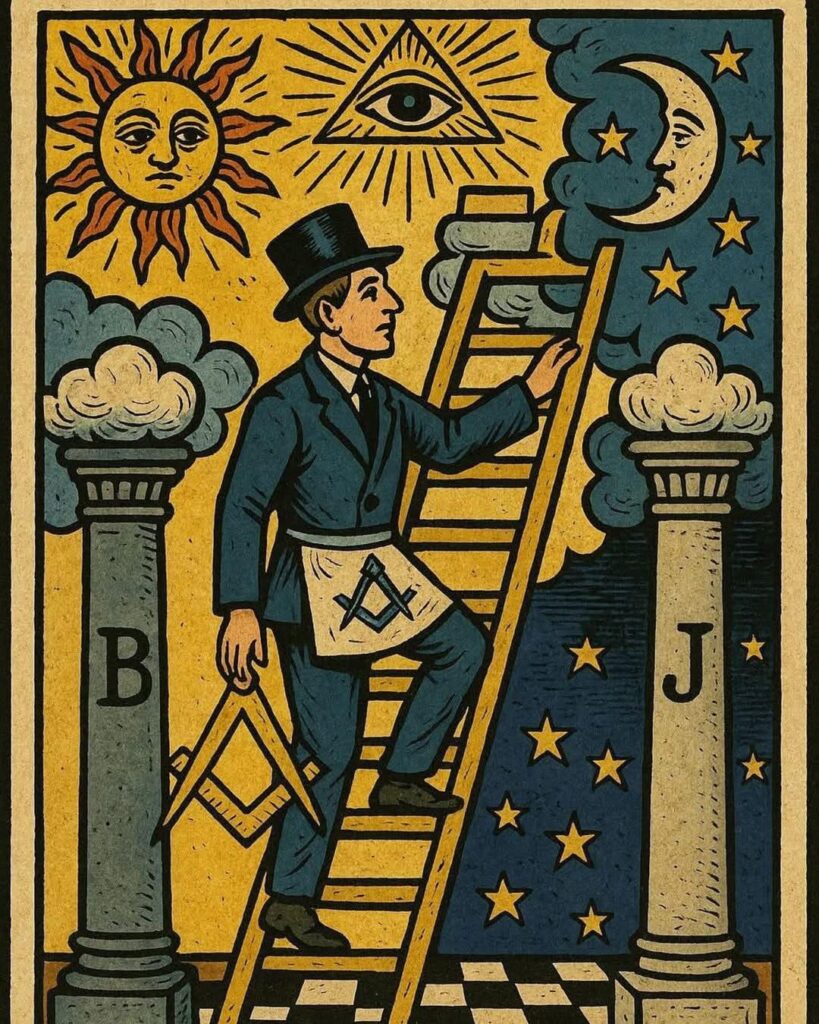
Freemasonry evolved from medieval stonemason guilds that built castles and cathedrals across Europe. These guilds protected trade knowledge and used recognition methods, so members could find work and trust each other.
Want to learn more about Freemasonry? Click the video below!
Freemasonry over time
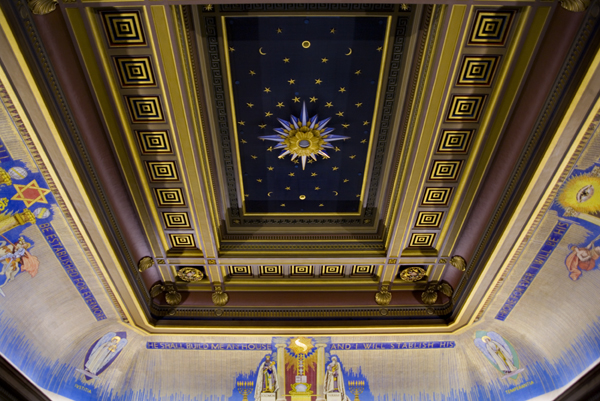
As cathedral construction slowed, guilds began accepting non-builders into their lodges. The guild accepted men of good character, reputation, and rank as honorary members. These accepted Masons found that the legends, skills, and knowledge of the building trades (more especially moral code, emphasis on merit, and the liberal arts and science to daily life) provided value and meaning to its members’ social and professional connections.
Over several generations, the number of operative Masons declined and accepted Masons increased, until the lodge became an early version of the fraternal organization we know today!
In the 17th and 18th centuries, modern symbolic or speculative lodges were established and they adopted the rites and trappings of ancient religious orders and of chivalric brotherhoods. In 1717, the first Grand Lodge, an association of lodges, was founded in England.
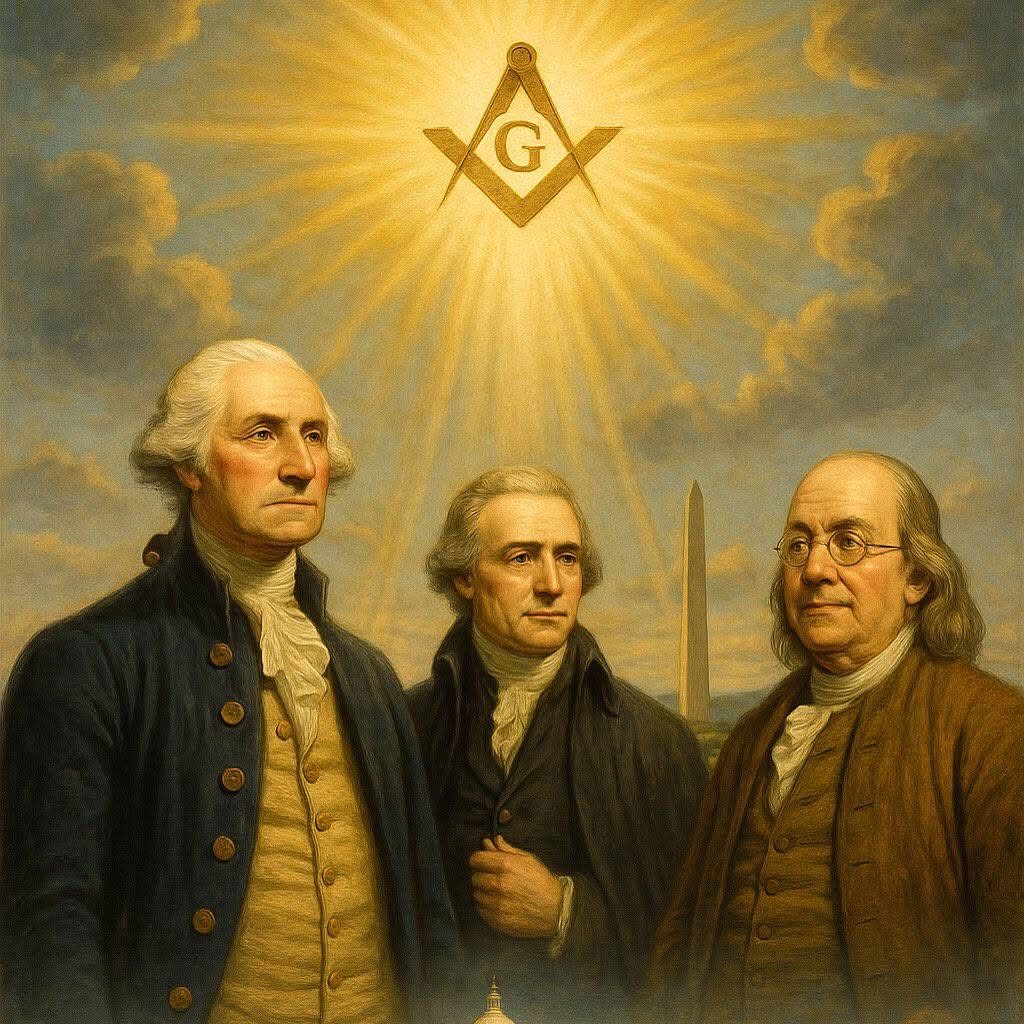
“Associate yourself with men of good quality if you esteem your own reputation.”
– President George Washington
“The great secret of Freemasonry is that there is no secret at all.”
– Benjamin Franklin
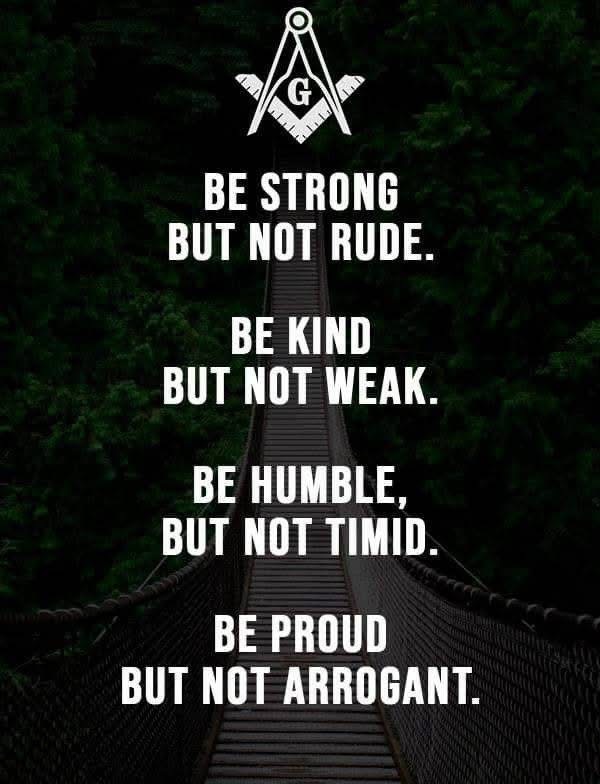
Freemasonry’s real secret isn’t power or hidden knowledge.
It’s a structured path for self-reflection and ethical living, passed down through symbolism and tradition.
- It’s about becoming better, not becoming exclusive.
- The mystery is symbolic – the work is personal.